D1 Training brings a coach-driven, performance-focused fitness model to communities across the country, blending youth athletic development with adult fitness programming under one roof. For entrepreneurs looking to enter the booming health and wellness space with a differentiated concept, D1 Training offers an alternative to the crowded big-box gym market.
Franchise · Beauty & Fitness
D1 Training Franchise
Collegiate-style athletic training for youth and adults in compact coach-led studios
$62,500
franchise fee
$250,000
personal capital
USD 402k – 837kk
investment
How much does a D1 Training franchise cost?
Franchise fee
Amount paid when signing the contract
$62,500
Personal capital
Own funds required to complete the financing
$250,000
Total investment
Estimated total budget for the opening
$401,776 – $837,381
Ongoing royalty
7%
Minimum area
from 344 sq m
Locations worldwide
187
Figures declared by the franchisor — sources and verification date at the bottom of the page.
What it's about
- Founded
- 2001
- Type of business
- Sports performance and fitness training studio
- Company
- D1 Training
Fact sheet
Inside D1 Training

The right questions before you start
The concept at a glance
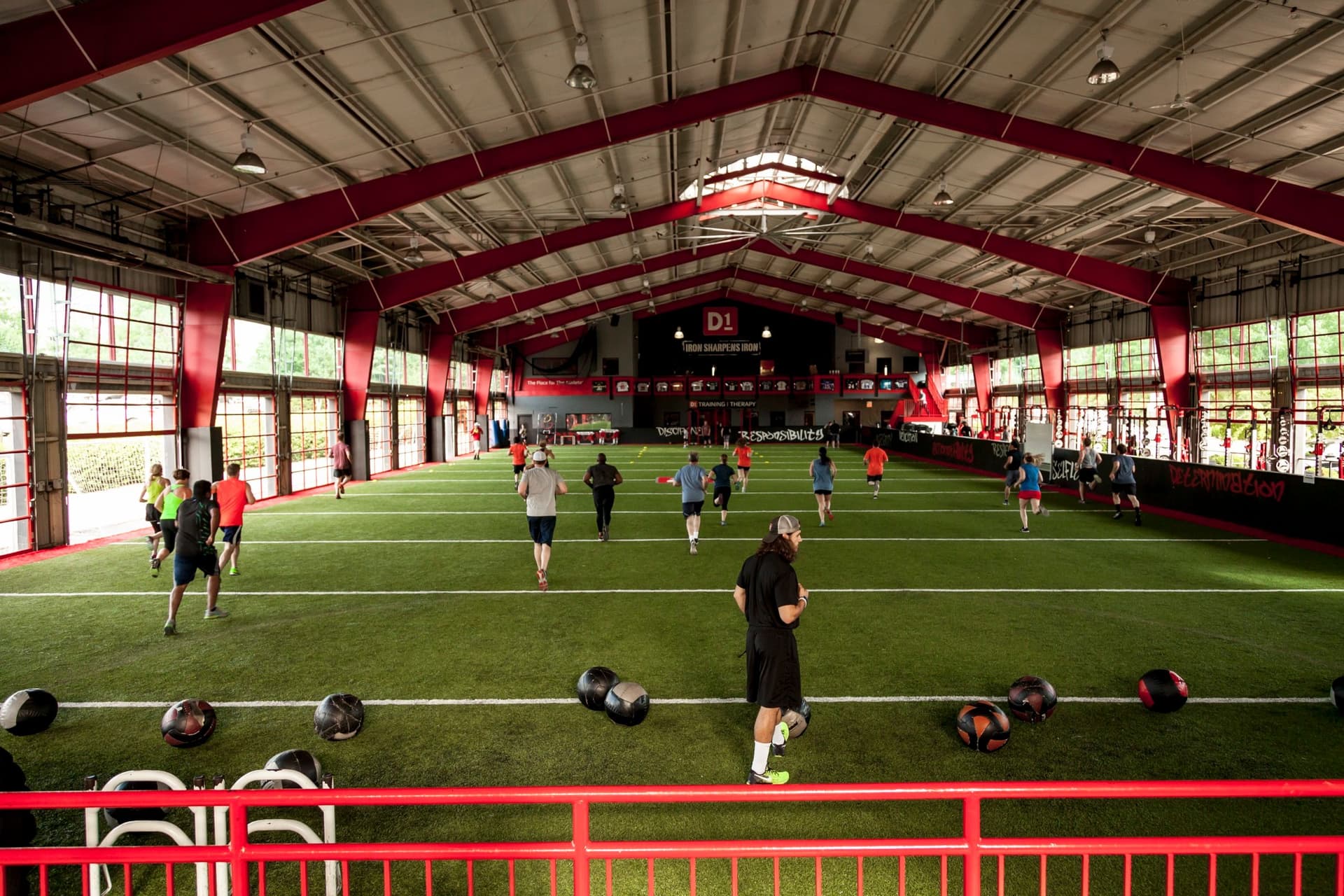
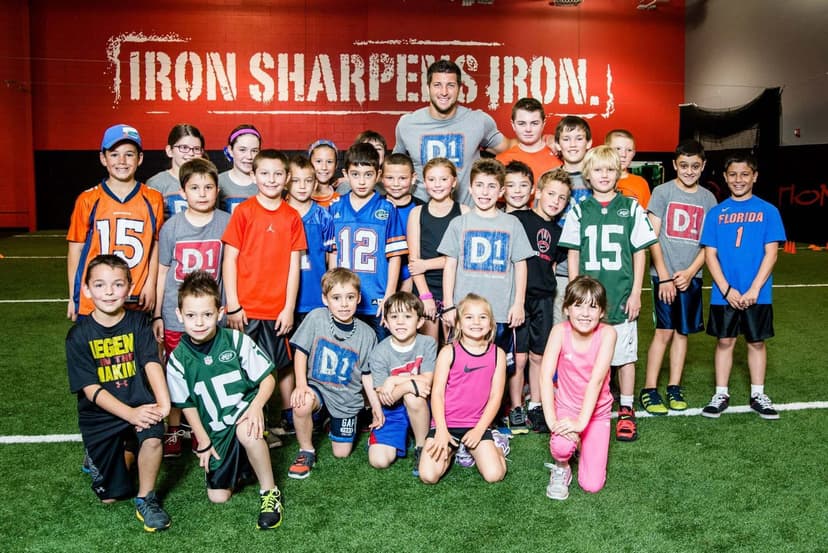
Founded in 2001 in Nashville, Tennessee, D1 Training was built on the idea of bringing collegiate-style, "Division 1" training methods to everyday athletes and fitness enthusiasts. Rather than operating as an open-access gym, D1 studios run structured, coach-led programs for elementary-age kids through adult recreational users. The result is a facility that functions more like a sports performance center than a traditional fitness club, with programming designed around athletic development, small-group coaching, and seasonal training cycles.
A diversified revenue model beyond memberships
D1 Training stands apart from conventional fitness franchises thanks to its diversified revenue model. Instead of relying solely on monthly memberships, franchise owners generate income through:
- Youth training memberships
- Adult fitness programs
- Private one-on-one coaching
- Seasonal camps and clinics
This multi-stream approach helps smooth out the revenue fluctuations that many single-service gyms experience. Additionally, D1's smaller footprint — typically 4,000 to 5,000 square feet — makes it easier to secure suburban retail space compared to sprawling 20,000+ square foot health clubs, reducing both real estate complexity and rent exposure for new owners.
Who they're looking for
D1 Training is best suited to owners who are passionate about coaching, community engagement, and youth sports culture. Because the model depends on hiring and retaining qualified coaching staff, franchisees should be comfortable with active, hands-on program management rather than a passive membership-based business. Markets with strong youth sports participation and engaged parent communities tend to be the strongest fits. The brand also appeals to multi-unit operators, as many existing franchisees have expanded into suburban clusters where demand for performance training is high.
Requirements and investment
Specific financial details such as liquid capital requirements, total investment, and franchise fees are determined on a case-by-case basis and should be confirmed directly with the D1 Training franchise development team. Prospective franchisees should expect standard franchise costs associated with build-out of a 4,000-5,000 square foot studio, equipment, training, and initial marketing, along with ongoing royalty obligations typical of the fitness franchise sector.
Key facts
- Year founded: 2001
- Headquarters: Nashville, Tennessee
- Typical facility size: 4,000 to 5,000 square feet
- Revenue streams: Youth memberships, adult programs, private coaching, camps and clinics
- Multi-unit potential: Strong, especially in suburban markets with youth sports demand
If you're ready to bring a performance-driven fitness concept to your community, now is the time to explore what it takes to become a D1 Training franchisee. Reach out today to request detailed information and take the first step toward owning a franchise built around coaching, community, and athletic performance.
How much does a D1 Training franchise cost?
The brand does not publish liquid capital, total investment or fee figures; they are handled case by case with the franchise development team. Budget for building out a 4,000 to 5,000 square foot studio, equipment, training and opening marketing, plus royalties in line with the fitness sector.
How does the D1 Training business model work?
Studios are not open-access gyms: programs are structured and coach-led, serving elementary-age kids through adult recreational users. Income arrives from four streams — youth memberships, adult programs, one-on-one coaching, and seasonal camps and clinics — which softens the swings a single-service gym faces.
How large is a D1 Training facility?
A typical studio occupies 4,000 to 5,000 square feet, well under the 20,000-plus square feet of a conventional health club. The smaller footprint makes suburban retail space easier to secure and limits rent exposure for a new owner.
Who is the ideal D1 Training franchisee?
Owners who care about coaching, youth sports culture and community engagement fit best, since the model depends on recruiting and keeping qualified coaches. It is an active, hands-on business rather than a passive membership operation, and markets with heavy youth sports participation are the strongest targets.
When and where was D1 Training founded?
The company started in 2001 in Nashville, Tennessee, around the idea of bringing Division 1 collegiate methods to everyday athletes. Many existing owners have since built clusters of studios across suburban markets.
Sources and data verification
The figures on this page come from the following sources:
- D1 Training Franchise — Requirements & Costs (fee, capitale liquido, investimento Item 7, metratura) (2026)
- D1 Training Franchise — FAQ (fee, royalty 7%, capitale liquido, investimento totale, numero mercati) (2026)
- D1 Training — Store locator ufficiale (conteggio punti vendita operativi USA) (2026)
The first step is the brochure
We'll send it to you, with the franchisor's official information document. Free and with no obligation.

D1 Training
Free and with no obligation.
Do you run this brand?
We publish your profile, receive candidates and pass them on to you. Tell us who you are and let's talk about growing your network in the US.
With the same budget, also worth a look
More opportunities in the category Beauty & Fitness


D1 Training