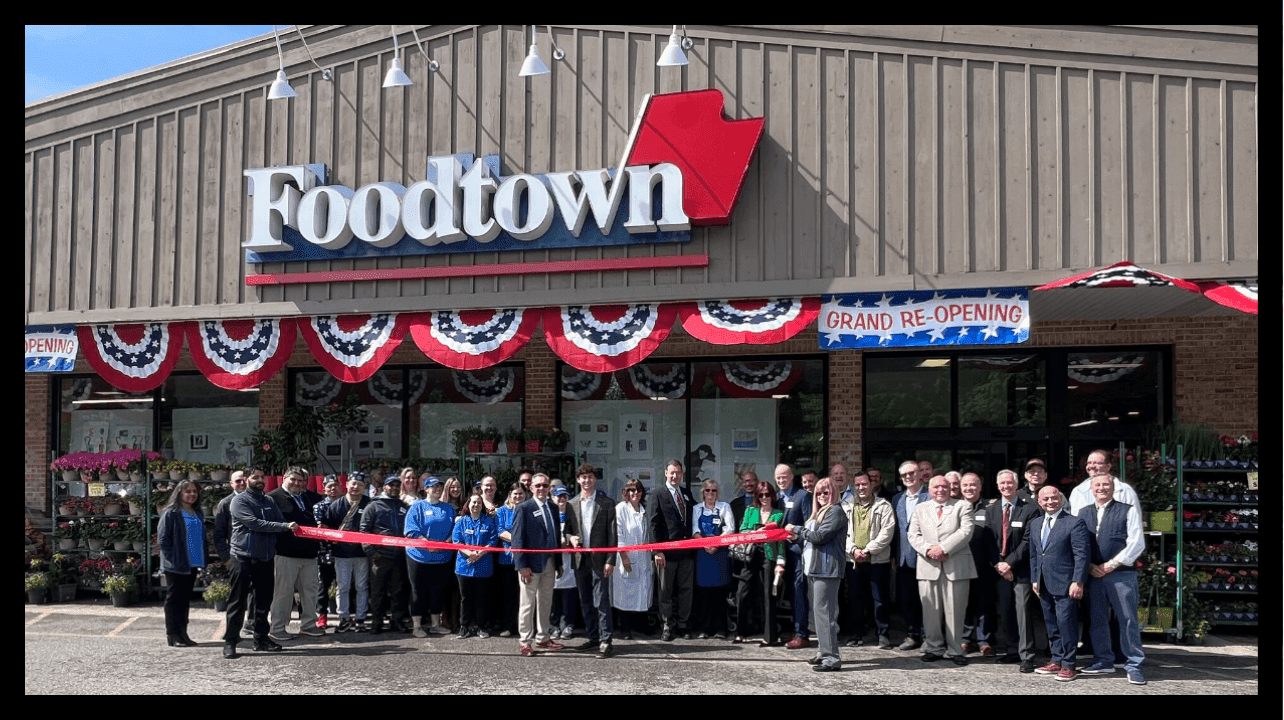
For independent grocers who want the strength of a collective without giving up ownership of their store, Foodtown offers a proven cooperative model built around community-focused, full-service supermarkets. Operating across the Northeastern United States, Foodtown has spent decades helping local retailers compete against national chains while preserving the personal touch that keeps neighborhood shoppers loyal.
Franchise · Food & Grocery
Foodtown Franchise
Member-owned supermarket cooperative giving independent grocers real buying power
1955
Year founded
What it's about
- Founded
- 1955
- Type of business
- Supermarket cooperative / grocery retail
- Company
- Foodtown
Fact sheet
Inside Foodtown
The right questions before you start
The concept at a glance
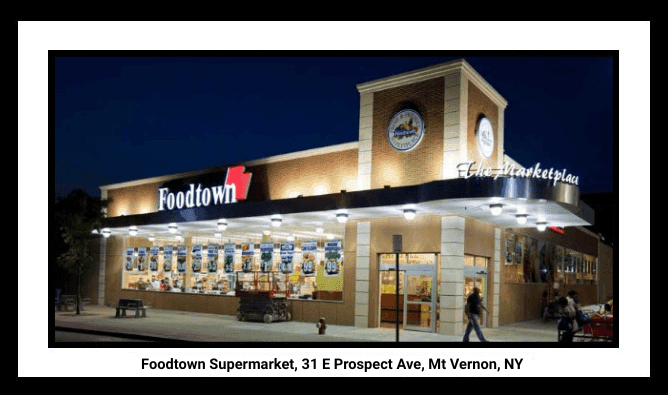
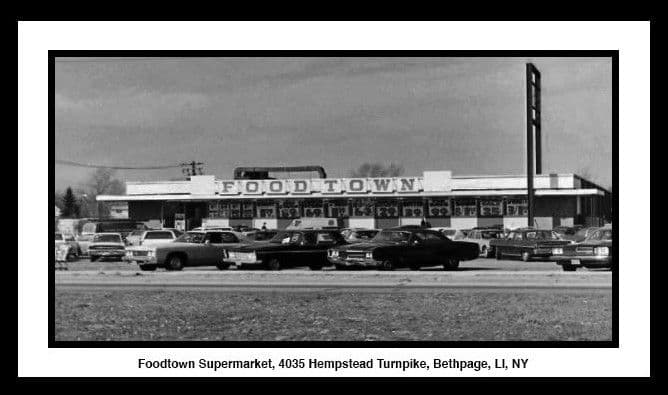
Foodtown is not a traditional top-down franchise chain — it is a supermarket cooperative in which independent retailers operate stores under a shared banner. Founded in 1955, the network has built a strong regional identity across New York, New Jersey, and Connecticut, where its stores serve dense urban and suburban communities. Each Foodtown location is independently owned and operated, but members benefit from centralized procurement, exclusive private-label products, and coordinated marketing campaigns that would be difficult for a standalone grocer to access alone.
Who they're looking for
Foodtown is best suited to experienced independent grocers or family-owned supermarket operators who already understand the realities of running a full-service grocery business. Candidates should have hands-on retail grocery experience, a strong understanding of local market dynamics, and the operational capacity to manage a mid-to-large format store. Because the cooperative model relies on member commitment and shared resources, Foodtown tends to attract seasoned operators rather than first-time retail entrepreneurs.
Requirements and investment
Foodtown has not published standardized figures for liquid capital, total investment, or franchise fees, as the cooperative model differs from a conventional franchise fee structure. Prospective members should expect that entry involves substantial capital given the scale of supermarket operations, and that specific financial requirements — including any entry contribution and ongoing fees — are determined on a case-by-case basis depending on store size, location, and existing infrastructure. Interested candidates are encouraged to request detailed financial information directly to understand the current investment framework.
Key facts
- Year founded: 1955
- Region of operation: New York, New Jersey, and Connecticut
- Business model: Member-owned supermarket cooperative
- Target profile: Experienced independent grocers and family-owned supermarket operators
If you have a background in grocery retail and are looking to join a well-established regional cooperative with decades of community trust behind it, now is a great time to explore what Foodtown has to offer. Request more information today to learn how you can become part of the Foodtown network.
How much does it cost to join Foodtown?
The group does not publish standard figures for liquid capital, total investment or entry fees, because its structure differs from a conventional franchise. Terms are set case by case according to store size, location and the infrastructure already in place. Expect substantial capital, given the scale of a full-service supermarket.
Is Foodtown a franchise or a cooperative?
It is a member-owned supermarket cooperative, not a top-down chain. Each store stays independently owned and operated, while members share a common banner, centralized purchasing and joint marketing. The structure keeps local control intact but adds the leverage of a larger group.
Where does Foodtown operate?
The network is concentrated in the Northeastern United States, with stores in New York, New Jersey and Connecticut serving dense urban and suburban neighborhoods. The banner dates back to 1955, close to seventy years of regional presence.
What are the requirements to become a Foodtown member?
The group targets seasoned independent grocers and family-run supermarket operators rather than first-time retailers. Candidates need hands-on grocery retail experience, a solid read on their local market, and the operational capacity to run a mid-to-large format store.
What support do Foodtown members receive?
Members gain collective purchasing power and stronger leverage when negotiating with suppliers, access to the group's private-label lines, and coordinated regional advertising. They also trade under a banner that local shoppers have trusted for decades.
Sources and data verification
The figures on this page come from the following sources:
The first step is the brochure
We'll send it to you, with the franchisor's official information document. Free and with no obligation.

Foodtown
Free and with no obligation.
Do you run this brand?
We publish your profile, receive candidates and pass them on to you. Tell us who you are and let's talk about growing your network in the US.
With the same budget, also worth a look
More opportunities in the category Food & Grocery


Foodtown